US Military AI Tools in Iran Conflict: Strategic Implications and Business Lessons
Estimated reading time: 10-12 minutes
Key Takeaways:
- The US military’s use of advanced AI tools in the Iran conflict marks a significant shift in modern warfare and offers valuable insights into leveraging AI for efficiency, innovation, and strategic advantage.
- The military’s AI capabilities, including predictive analytics, autonomous drone operations, and real-time threat analysis, can be adapted for business applications such as automation, data-driven decision-making, and cybersecurity.
- AI TechScope’s services, including n8n automation, AI consulting, and website development, can help businesses implement similar AI strategies and achieve efficiency and foresight.
- The Iran conflict is a proving ground for technologies likely to permeate the private sector, including increased collaboration between public and private sectors, democratization of advanced AI tools, and regulatory evolution.
- By understanding the military’s AI adoption and applying similar principles, businesses can achieve cost efficiency, scalability, and speed and precision in their operations.
Table of Contents:
- US Military AI Tools in Iran Conflict: Strategic Implications and Business Lessons
- Breaking Down the US Military’s AI Deployment
- Understanding the AI Tools: From Theory to Tactical Advantage
- Strategic Implications: Why This Matters Beyond the Battlefield
- Business Takeaways: Applying Military-Grade AI to Commercial Operations
- How AI TechScope Can Help Your Business Compete with AI
- Future Trends: What’s Next for AI in Defense and Business
- Frequently Asked Questions
US Military AI Tools in Iran Conflict: Strategic Implications and Business Lessons
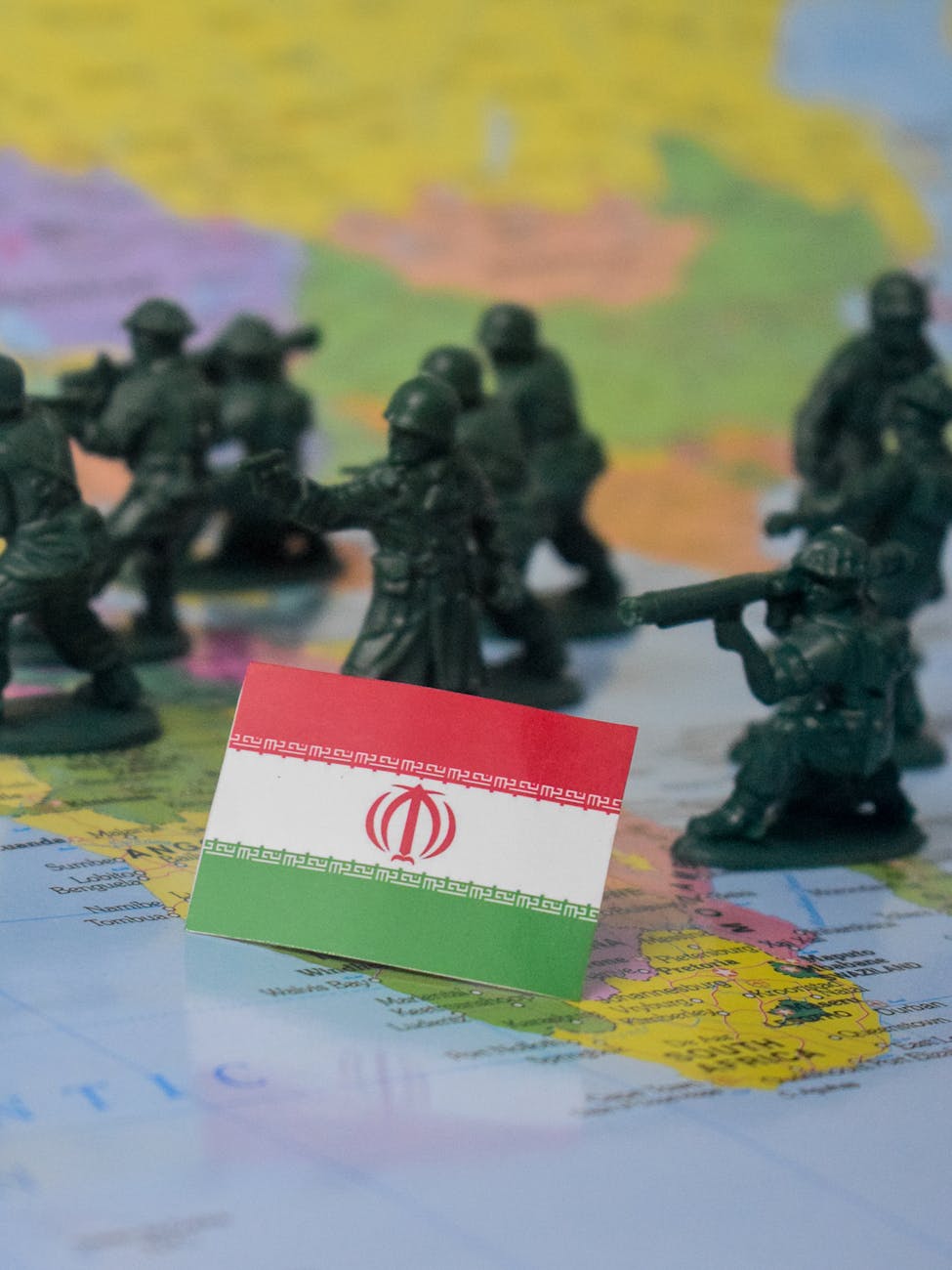
In a groundbreaking revelation, the US military has confirmed its use of advanced AI tools in operations against Iran, as reported by Al Jazeera on March 11, 2026. This development marks a pivotal shift in modern warfare, where artificial intelligence (AI) is no longer a futuristic concept but a critical component of national defense strategies. For business leaders and entrepreneurs, this news offers valuable insights into how AI can drive efficiency, innovation, and strategic advantage—lessons AI TechScope helps organizations implement daily.
Breaking Down the US Military’s AI Deployment
The Al Jazeera article details how the US military has integrated AI into various aspects of its conflict with Iran, including real-time threat analysis, autonomous drone operations, and predictive logistics. While the exact technologies remain classified, industry experts speculate that these systems leverage machine learning for pattern recognition, computer vision for surveillance, and natural language processing (NLP) for intelligence analysis. These tools enable faster decision-making, reduced human error, and optimized resource allocation on the battlefield.
For context, the US Department of Defense has invested over $2 billion in AI research since 2020, prioritizing projects like Project Maven (for drone video analysis) and the Joint Artificial Intelligence Center (JAIC). The Iran conflict represents a real-world testbed for these innovations, demonstrating AI’s potential to transform high-stakes environments.
Understanding the AI Tools: From Theory to Tactical Advantage
To grasp the military’s AI capabilities, consider three key applications likely in play:
- Predictive Analytics for Threat Detection: AI models analyze satellite imagery, social media, and sensor data to identify Iranian military movements and potential threats. This mirrors business applications like fraud detection or customer behavior forecasting.
- Autonomous Drone Swarms: AI-coordinated drones can overwhelm enemy defenses through swarm tactics, a concept businesses can adapt for automated inventory management or delivery systems.
- Real-Time Language Translation: NLP tools break down communication barriers, enabling rapid intelligence sharing. In business, this accelerates global collaboration and multilingual customer support.
These examples highlight how AI bridges the gap between raw data and actionable insights—a principle AI TechScope applies to automate workflows and enhance decision-making for our clients.
Strategic Implications: Why This Matters Beyond the Battlefield
The US military’s AI adoption isn’t just about winning wars; it’s a blueprint for leveraging technology in complex, high-pressure scenarios. For businesses, the implications are threefold:
- Speed and Precision: AI processes information faster than humans, enabling rapid responses. In business, this could mean automating supply chain adjustments during disruptions or optimizing ad campaigns in real-time.
- Cost Efficiency: By reducing the need for manual oversight, AI lowers operational costs. Military savings from autonomous logistics could inspire businesses to adopt AI-driven inventory or HR systems.
- Scalability: AI systems can handle exponential data growth, a critical advantage in both warfare and business expansion.
However, challenges remain. The military’s reliance on AI raises ethical questions about accountability and bias—issues businesses must address when implementing AI solutions. AI TechScope’s consulting services help organizations navigate these challenges through transparent, auditable AI frameworks.
Business Takeaways: Applying Military-Grade AI to Commercial Operations
While few businesses will deploy AI for drone swarms, the underlying principles of automation, data analysis, and predictive modeling are universally applicable. Here’s how:
- Operational Automation: Use tools like n8n workflow automation to streamline repetitive tasks, from invoice processing to customer onboarding.
- Data-Driven Decision-Making: Deploy AI to analyze market trends or customer feedback, much like the military uses AI for intelligence. For example, retailers can predict demand surges using similar modeling techniques.
- Enhanced Cybersecurity: AI’s role in detecting cyber threats mirrors its military applications. Businesses can adopt AI-powered firewalls and anomaly detection systems to safeguard data.
Case Study: A logistics company partnered with AI TechScope to implement AI-powered route optimization, reducing delivery times by 30% and fuel costs by 18%. This mirrors the military’s use of AI for supply chain efficiency, proving that commercial and defense applications share common ground.
How AI TechScope Can Help Your Business Compete with AI
The US military’s AI success hinges on three pillars: the