🏂 The End of the Gridlock: How Funding Legislation Ended the DHS Government Shutdown
Estimated reading time: 6 mins
💡 Key Takeaways
- The House passed funding for the Department of Homeland Security (DHS), ending a 76-day partial government shutdown and ensuring security officers are paid.
- While the core DHS functions are restored, key components like ICE and CBP remain under intense political disagreement.
- The shutdown led to significant chaos at US airports due to staffing shortages, highlighting the critical nature of federal funding for security checkpoints.
- The Congressional battle revealed deep partisan divides, with Democrats demanding structural reform while Republicans prioritized full, immediate funding for enforcement agencies.
Table of Contents
📲 The Immediate Resolution: Restarting Security Operations
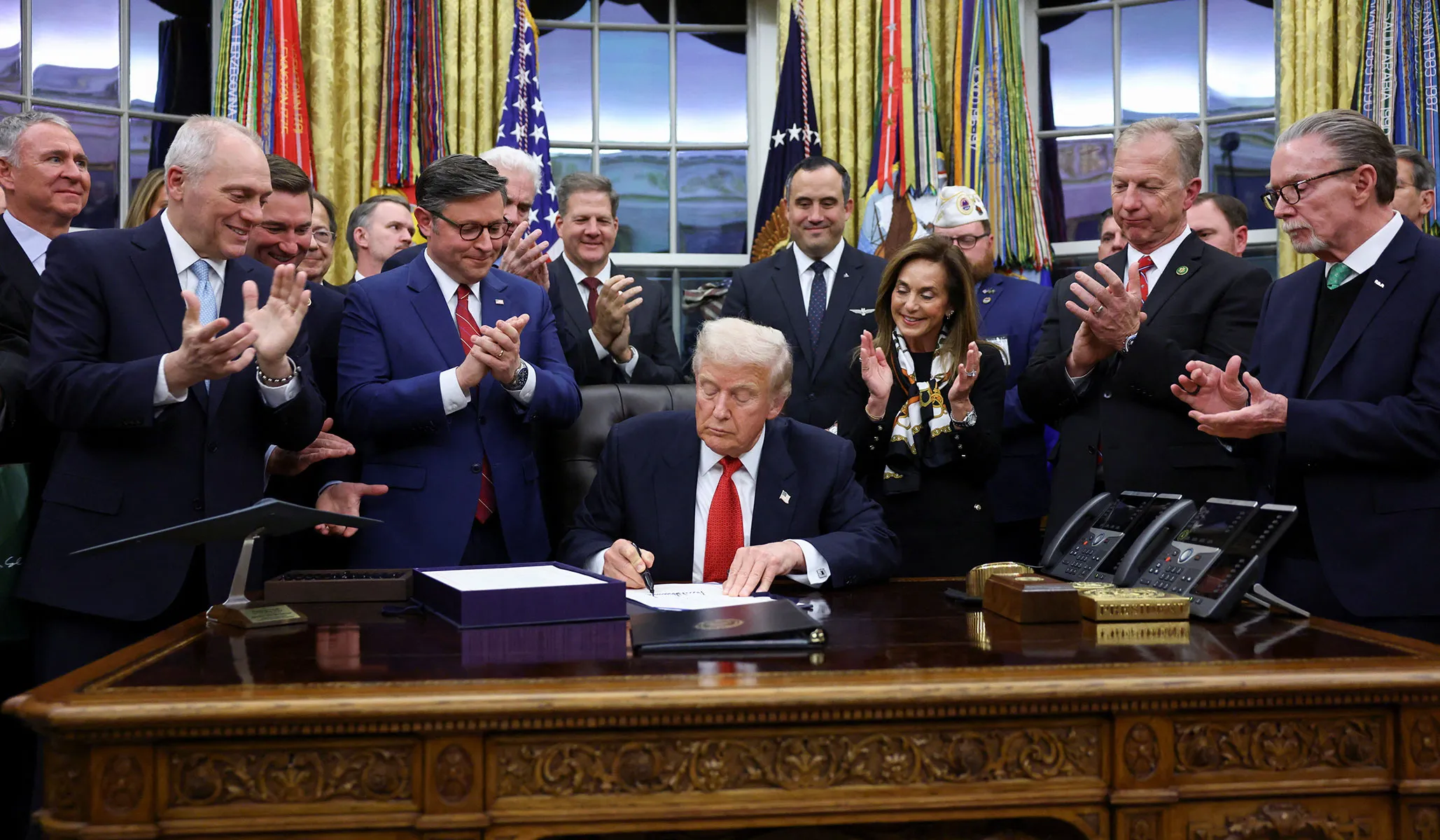
President Donald Trump’s signing of a new spending bill marked a pivotal moment, officially ending the protracted 76-day partial government shutdown that caused major disruption across US air travel. The funding package was approved by the House of Representatives, allowing for critical support for the Department of Homeland Security (DHS), the agency overseeing everything from immigration enforcement to airport security.
For weeks, the lack of routine funds led to a dangerous shortage of security officers at US airports. These essential workers, having gone unpaid for weeks, were at the forefront of the resulting chaos. The approved funding ensures that checkpoint security personnel can now receive timely paychecks, easing significant economic and logistical stress on the nation.
🚊 From Chaos to Compliance: The Role of the TSA
The disruption at US airports was profound. While the government funding gap forced initial ad hoc solutions—such as an executive order signed by the administration to pay Transportation Security Administration (TSA) agents—the systemic issue remained unresolved. The funding deadlock was critical, leading to hours-long wait times and operational uncertainty across the country.
This legislative victory cleared the funding bottleneck, signaling that the operational side of national security, particularly at major transport hubs, is stabilized for the foreseeable future.
💡 The Core Conflict: Reform vs. Full Funding
However, the resolution of the general DHS funding does not signify a complete political agreement. The spending bill approved does not allocate funds to crucial, but highly contentious, agencies: Immigration and Customs Enforcement (ICE) or parts of Customs and Border Protection (CBP).
This omission underscores the deep political chasm between the two parties. Democrats have consistently refused to fund ICE and CBP unless comprehensive reforms are implemented, particularly following past deadly shootings involving federal immigration officers. Meanwhile, Republicans have strongly advocated for maintaining the status quo and pushing for full funding without major structural limitations.
📈 High-Stakes Legislative Maneuvering
The legislative process was characterized by intense maneuvering. The bill passed the Senate, partly through procedural means, and faced resistance in the House. The debate highlights that the underlying dispute is not merely about money, but about the scope, power, and oversight of national enforcement agencies.
The primary remaining battle now revolves around allocating up to $70 billion for ICE and CBP for the remainder of the term. Democrats continue to press for tighter oversight, while Republicans seek to approve the necessary operational funding quickly.
🔥 Future Challenges: What Comes Next for Border Security?
The future funding of US borders and internal enforcement remains highly uncertain. While the immediate threat of general DHS collapse has passed, the ongoing dispute over ICE and CBP funding suggests that legislative gridlock remains a constant possibility. Congress must now find a middle ground that satisfies the need for security operations while addressing partisan demands for reform and accountability.
For businesses, travel, and general citizens, this means that while immediate disruptions have ended, the political commitment to long-term, stable federal enforcement funding has yet to be secured.
🔍 Key Takeaways:
- Sector Stability: Short-term operational stability is restored, but the systemic risk from legislative gridlock remains high.
- Political Divide: The debate over federal funding sources and agency mandates remains deeply polarized.
- Future Watch: Monitoring the next round of budgetary negotiations is crucial for anticipating future instability.