Anthropic, AI Tech, and the US Government: Collaboration or Control?
Estimated reading time: 7 mins
💡 Key Takeaways
- The White House met with Anthropic, signaling a shift from previous political opposition to perceived technological necessity.
- Anthropic’s AI tool, Claude Mythos, is described as “strikingly capable” in identifying and exploiting vulnerabilities in computer security, making it highly valuable to the government.
- The discussion centered on “collaboration” and “shared approaches,” indicating the government recognizes the power of the technology despite previous regulatory disputes (e.g., the “supply chain risk” label).
- Despite the collaboration meeting, legal battles continue, as Anthropic is still navigating the complex regulatory landscape concerning its use in federal agencies.
Table of Contents
The Political Backdrop and Initial Scrutiny
The recent meeting between the White House and Anthropic signals a significant pivot in how the US government views advanced AI technology. This development follows a period of intense political friction.
The Rise of Mythos: AI Capabilities Draw Government Interest
The catalyst for the renewed interest was the release of Claude Mythos, an AI tool. Anthropic claims Mythos has the ability to outperform humans in specific tasks related to hacking and cyber-security. Researchers have noted its capability to find bugs in old code and autonomously plot ways to exploit them.
Initially, the reception was mixed. The White House had previously criticized the firm, labeling it a “radical left, woke company,” while political figures, including former President Trump, publicly dismissed the company’s involvement with defense efforts.
Shifting to Collaboration: The White House Meeting
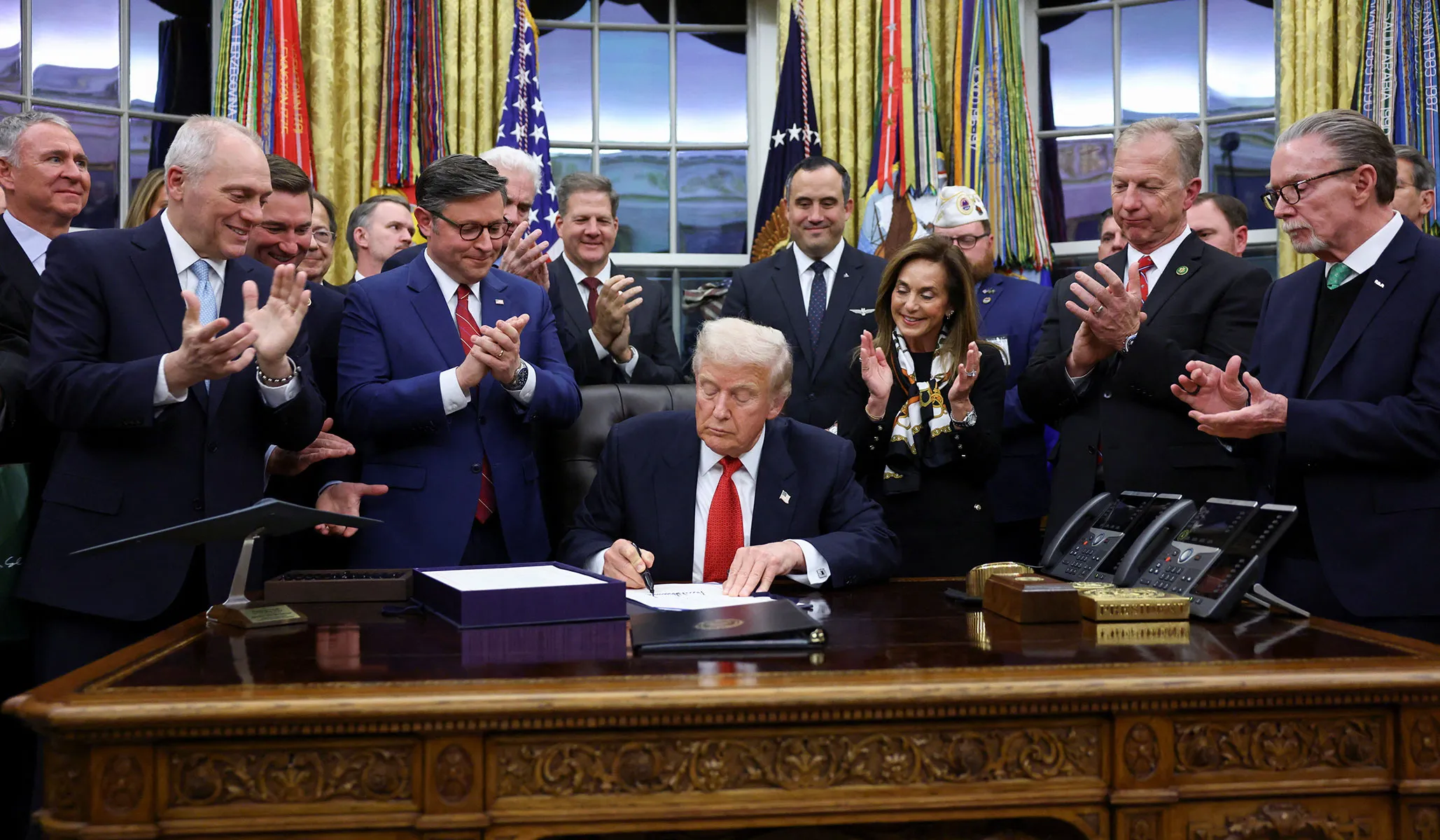
The recent meeting, attended by Treasury Secretary Scott Bessent and Chief of Staff Susie Wiles, marked a clear effort to move past political disputes. The White House stated that the discussion explored “opportunities for collaboration, as well as shared approaches and protocols to address the challenges associated with scaling this technology.”
The official statement emphasized “exploring the balance between advancing innovation and ensuring safety,” signaling that practical utility is overriding political disagreement. This pivot suggests that the perceived necessity of the technology is too great for the government to ignore.
Legal Battles and Supply Chain Risk
The government’s interest in Anthropic is complicated by ongoing legal battles. In March, Anthropic took legal action after being labeled a “supply chain risk”—a classification meaning the technology is not considered secure enough for government use.
Anthropic argued this label was retaliation because the CEO had refused to give the Pentagon unfettered use of its AI tools, citing concerns over potential use for mass domestic surveillance or fully autonomous weapons. Although a federal appeals court denied the temporary block on the designation, court records show that many government agencies continued using the tools even after the designation.
This juxtaposition of regulatory obstacles and practical use highlights a central tension: the technological power is already integrated, forcing the government to manage the risk rather than block it completely.
The dynamic between the White House and Anthropic is a classic example of policy adapting to technological inevitability. Governments initially view disruptive technologies through a political lens (risk, regulation, left-wing bias). However, once a tool—like Mythos—proves irreplaceable in critical sectors (cybersecurity, defense), the political disagreements quickly become secondary to the operational mandate. This trend suggests that future AI adoption will bypass traditional regulatory checkpoints and force a ‘coexistence’ model where regulation adapts *to* the technology, rather than stopping it.
Frequently Asked Questions
Q: Why did the political stance change so quickly?
A: The shift is driven by the utility of the technology. When a tool offers demonstrable, cutting-edge capabilities—such as advanced cybersecurity functions—the practical value for national security outweighs the political cost of disagreement.
Q: What does “supply chain risk” mean for AI?
A: It means the government deems the AI’s security, source, or use pattern insufficiently controlled or reliable for official use. It represents a high bar for institutional trust.
Q: Is this collaboration permanent?
A: It suggests a temporary truce focused on maximizing benefit. While the collaboration is current, the underlying legal and ethical debates (especially around autonomous weaponry and surveillance) are likely to persist.