Advanced AI Tools in Warfare: Exploring the Implications of the US Military’s Confirmation
Estimated reading time: 15 minutes
Key takeaways:
- Invest in AI research and development to stay ahead of the curve and remain competitive
- Consider the ethical and legal implications of using advanced AI tools in your business operations
- Collaborate with the public and private sectors to ensure that advanced AI tools are used in a way that is consistent with national security and public interest
Table of contents:
- The Use of Advanced AI Tools in Warfare
- Implications for Business and Industry
- Practical Takeaways for Businesses
- How AI TechScope Can Help
- Conclusion
The Use of Advanced AI Tools in Warfare
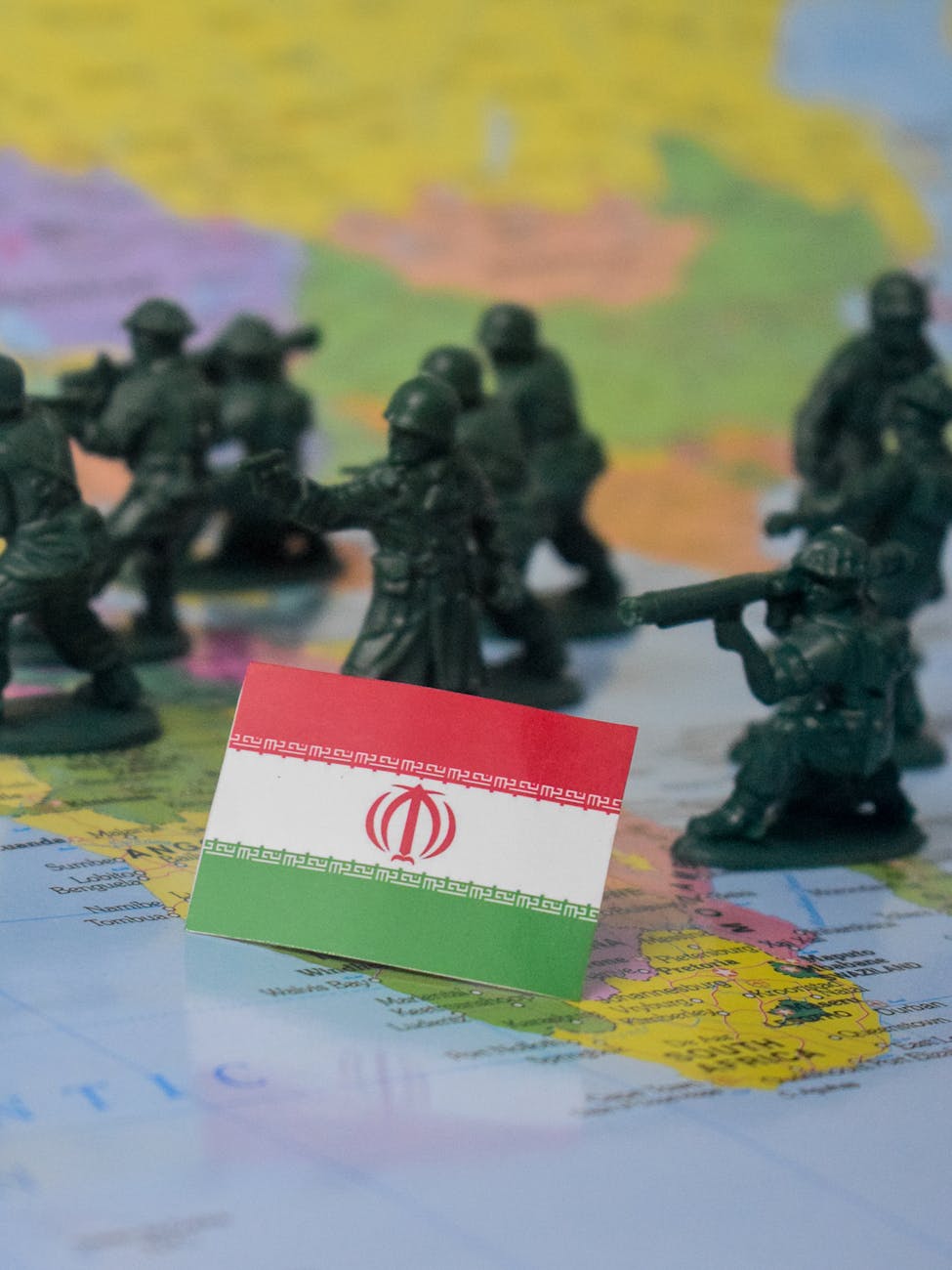
The recent confirmation by the US military of using advanced AI tools in the war against Iran has significant implications for the future of warfare and the role of artificial intelligence in military operations. As a leading provider of virtual assistant services and AI-powered automation, AI TechScope is committed to helping businesses and organizations understand the impact of this development and how it can be applied to their own operations. In this article, we will delve into the details of the US military’s use of advanced AI tools and explore the potential applications and implications of this technology.
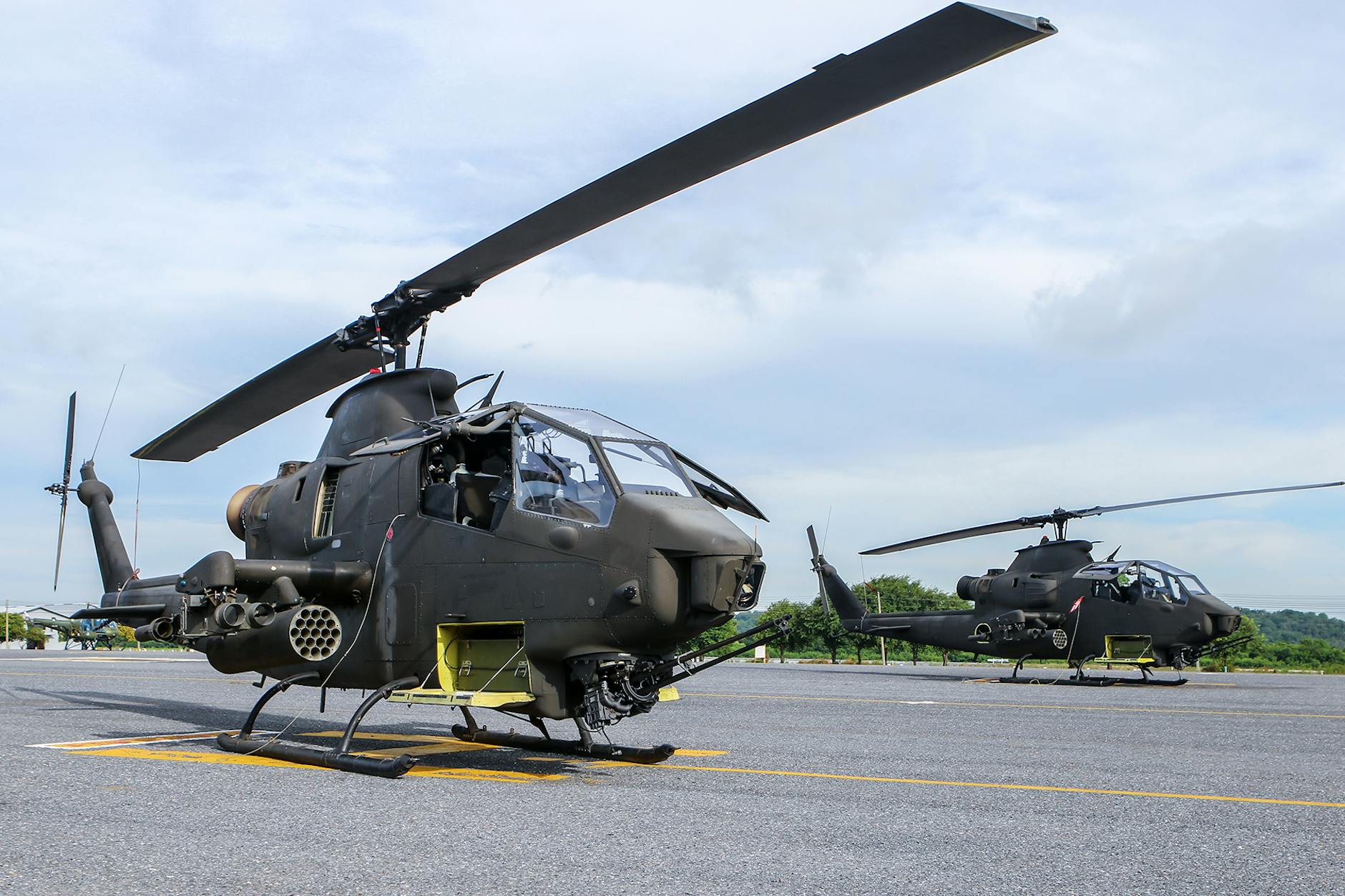
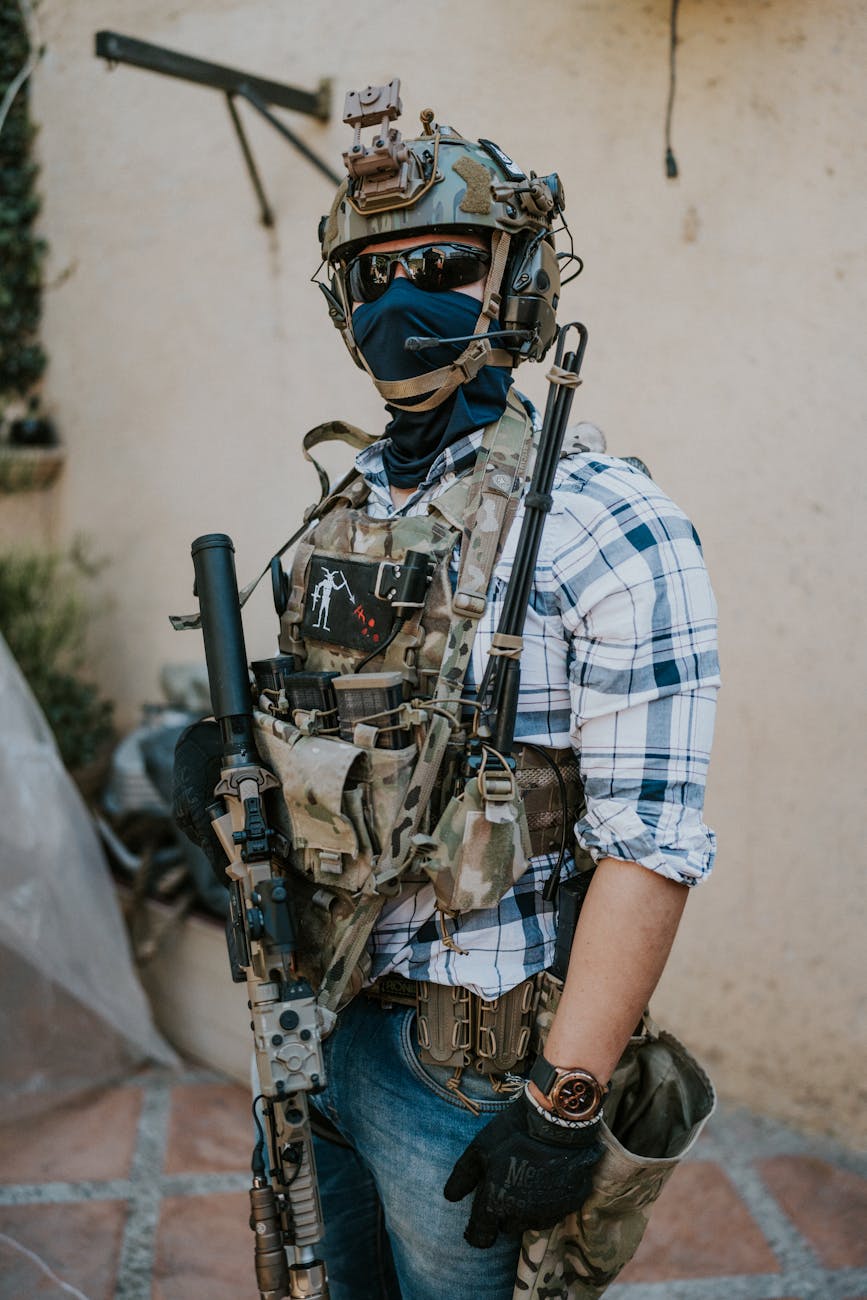
The US military’s confirmation of using advanced AI tools in the war against Iran is a significant development that highlights the increasing role of artificial intelligence in modern warfare. According to reports, the US military has been using advanced AI tools to enhance its military capabilities, including improving the accuracy of its strikes and enhancing its ability to respond to threats. This development has significant implications for the future of warfare and raises important questions about the role of artificial intelligence in military operations.
One of the key implications of the US military’s use of advanced AI tools is the potential for increased efficiency and effectiveness in military operations. Advanced AI tools can analyze vast amounts of data, identify patterns, and make decisions in real-time, allowing military personnel to respond quickly and effectively to changing circumstances. This can be particularly useful in situations where human decision-making may be impaired by factors such as fatigue, stress, or limited information.
However, the use of advanced AI tools in warfare also raises important ethical and legal questions. For example, who is responsible when an advanced AI tool makes a decision that results in civilian casualties or other unintended consequences? How can we ensure that advanced AI tools are used in a way that is consistent with international humanitarian law and human rights?
Implications for Business and Industry
The use of advanced AI tools in warfare has significant implications for business and industry, particularly in the areas of cybersecurity, defense, and technology. As the use of advanced AI tools becomes more widespread, businesses and organizations will need to consider the potential risks and benefits of this technology and how it can be applied to their own operations.
One of the key implications of the US military’s use of advanced AI tools is the potential for increased investment in AI research and development. As the use of advanced AI tools becomes more widespread, businesses and organizations will need to invest in AI research and development to stay ahead of the curve and remain competitive. This could lead to significant advances in areas such as natural language processing, computer vision, and machine learning.
Another implication of the US military’s use of advanced AI tools is the potential for increased collaboration between the public and private sectors. As the use of advanced AI tools becomes more widespread, businesses and organizations will need to work closely with government agencies and other stakeholders to ensure that this technology is used in a way that is consistent with national security and public interest.
Practical Takeaways for Businesses
So what are the practical takeaways for businesses and organizations from the US military’s use of advanced AI tools? Here are a few key lessons:
- Invest in AI research and development: As the use of advanced AI tools becomes more widespread, businesses and organizations will need to invest in AI research and development to stay ahead of the curve and remain competitive.
- Consider the ethical and legal implications: The use of advanced AI tools raises important ethical and legal questions, and businesses and organizations will need to consider these implications when applying this technology to their own operations.
- Collaborate with the public and private sectors: As the use of advanced AI tools becomes more widespread, businesses and organizations will need to work closely with government agencies and other stakeholders to ensure that this technology is used in a way that is consistent with national security and public interest.
How AI TechScope Can Help
At AI TechScope, we specialize in helping businesses and organizations leverage advanced AI tools to improve their operations and stay ahead of the curve. Our team of experts has extensive experience in AI consulting, n8n automation, and website development, and we can help businesses and organizations apply the lessons of the US military’s use of advanced AI tools to their own operations.
Whether you’re looking to invest in AI research and development, consider the ethical and legal implications of advanced AI tools, or collaborate with the public and private sectors, we can help. Our team of experts can provide guidance and support every step of the way, from assessing your business needs to implementing advanced AI tools and ensuring that they are used in a way that is consistent with your goals and values.
So why not contact us today to learn more about how AI TechScope can help your business or organization leverage advanced AI tools to improve your operations and stay ahead of the curve? Our team of experts is standing by to provide guidance and support, and we look forward to helping you achieve your goals.
Conclusion
The US military’s confirmation of using advanced AI tools in the war against Iran is a significant development that highlights the increasing role of artificial intelligence in modern warfare. As the use of advanced AI tools becomes more widespread, businesses and organizations will need to consider the potential risks and benefits of this technology and how it can be applied to their own operations.
At AI TechScope, we are committed to helping businesses and organizations understand the implications of this development and how it can be applied to their own operations. Whether you’re looking to invest in AI research and development, consider the ethical and legal implications of advanced AI tools, or collaborate with the public and private sectors, we can help. Contact us today to learn more about how AI TechScope can help your business or organization leverage advanced AI tools to improve your operations and stay ahead of the curve.
Call to Action: If you’re interested in learning more about how AI TechScope can help your business or organization leverage advanced AI tools, contact us today to schedule a consultation with one of our experts. We look forward to helping you achieve your goals and stay ahead of the curve in the rapidly evolving world of artificial intelligence.
FAQ
Q: What are advanced AI tools?
A: Advanced AI tools refer to the use of artificial intelligence technologies, such as machine learning and natural language processing, to improve the efficiency and effectiveness of business operations.
A: Businesses and organizations can apply the lessons of the US military’s use of advanced AI tools by investing in AI research and development, considering the ethical and legal implications of advanced AI tools, and collaborating with the public and private sectors.
A: The potential impact of advanced AI tools on the future of warfare and the role of artificial intelligence in military operations is significant, with the potential for increased efficiency and effectiveness in military operations, as well as important ethical and legal questions.