Advanced AI Tools in US Military Operations Against Iran: Implications for Business and Industry
Estimated reading time: 10-15 minutes
Key Takeaways:
- US military’s AI deployment in Iran has significant implications for business and industry.
- Businesses can adopt similar AI applications to automate tasks, optimize resource allocation, and extract actionable insights from data.
- AI TechScope’s services, including n8n automation and AI consulting, can help businesses implement AI-driven innovations.
- Responsible AI use is critical for businesses to maintain public trust and comply with evolving regulations.
Table of Contents
- The Role of AI in Modern Warfare: A Deep Dive
- Strategic Implications: From Battlefields to Boardrooms
- Business Applications: Turning Military AI Insights into Competitive Advantage
- Practical Takeaways: Applying AI-Driven Innovations in Business
- Call to Action: Implement AI-Driven Innovations with AI TechScope’s Help
The Role of AI in Modern Warfare: A Deep Dive
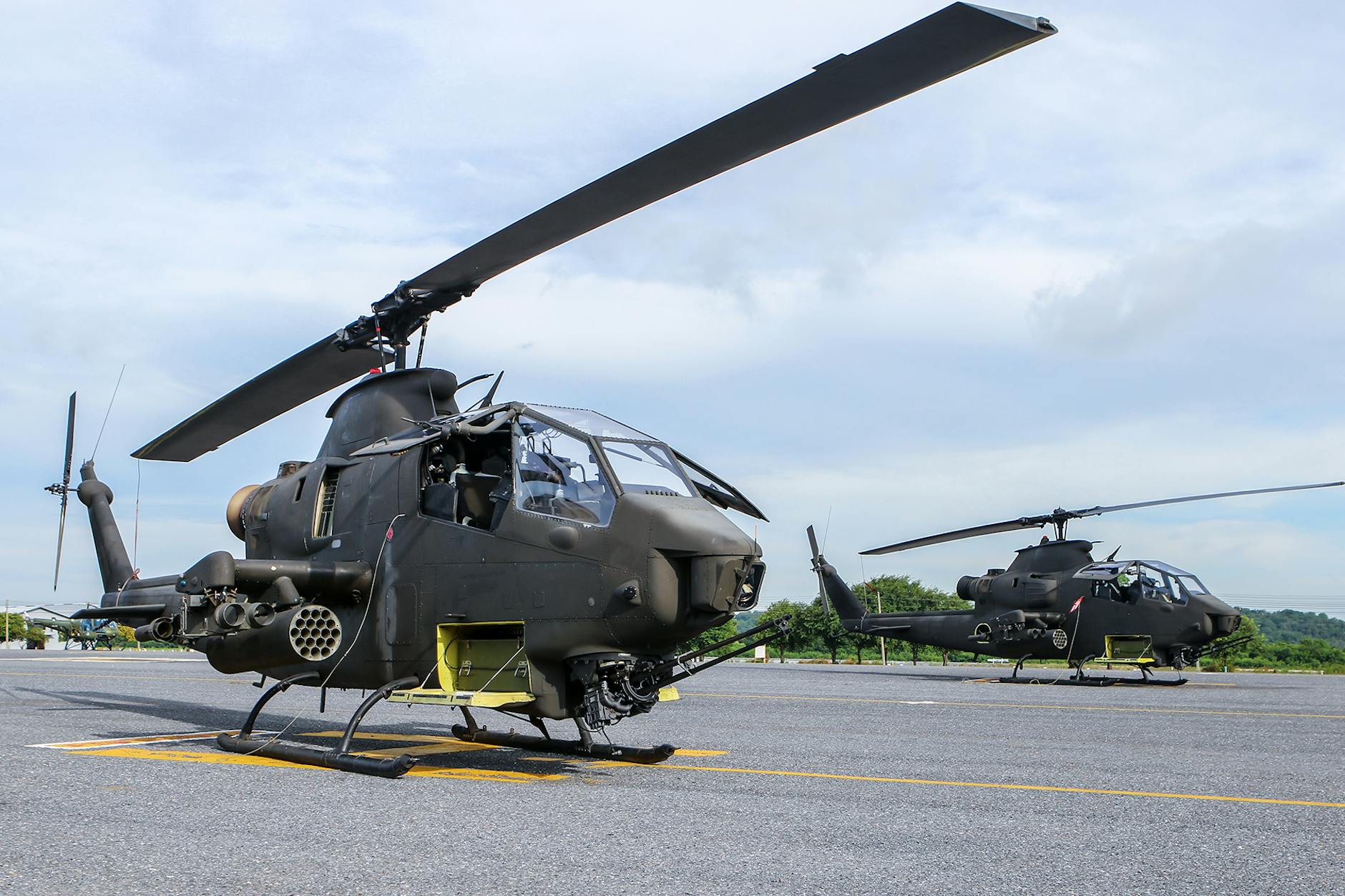
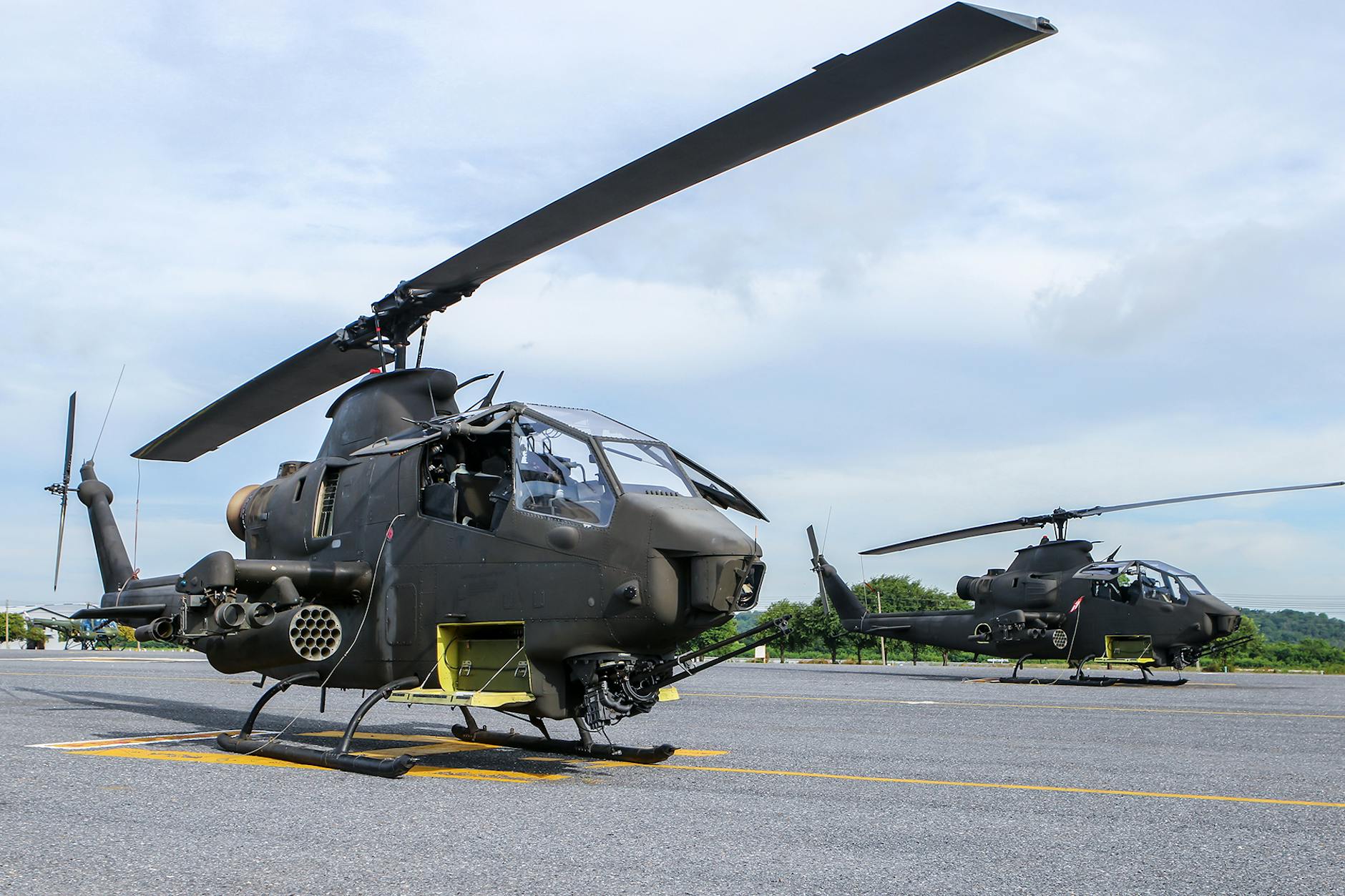
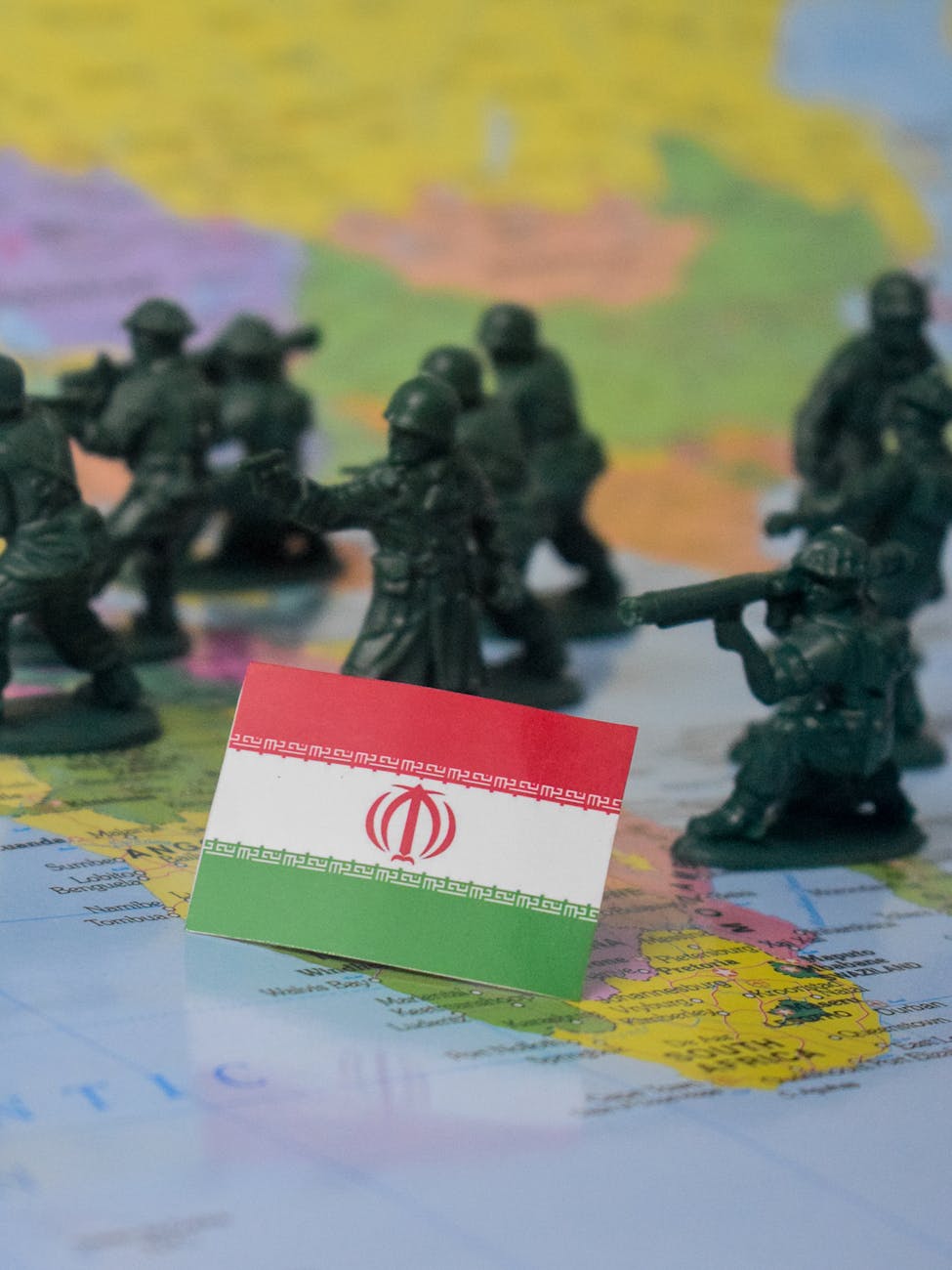
On March 11, 2026, Al Jazeera reported a groundbreaking confirmation by the US military of its deployment of “advanced AI tools” in operations against Iran. This revelation marks a pivotal moment in the integration of artificial intelligence into modern warfare, raising critical questions about the role of AI in strategic decision-making, autonomous systems, and real-time intelligence processing. As AI continues to redefine industries globally, this development underscores the urgency for businesses to understand and adopt AI-driven innovations to remain competitive.
At AI TechScope, we specialize in AI-powered automation, workflow optimization, and intelligent virtual assistant solutions. In this post, we dissect the specifics of the US military’s AI applications and explore how businesses can leverage similar technologies to enhance efficiency, reduce costs, and drive innovation. From predictive analytics to autonomous decision-making, the lessons from this military deployment offer actionable insights for enterprises of all sizes.
The US military’s use of AI in its operations against Iran is not an isolated incident but part of a broader trend toward AI-driven defense systems. While the Department of Defense has not disclosed exact technologies, industry experts and defense analysts have identified several likely components of these “advanced AI tools.” These include:
- Predictive Analytics for Threat Detection: AI algorithms analyze satellite imagery, communication intercepts, and sensor data to identify potential threats in real time, enabling preemptive actions.
- Autonomous Drones and Robotics: Unmanned aerial vehicles (UAVs) equipped with machine learning capabilities can autonomously scout, target, and engage adversaries with minimal human oversight.
- Real-Time Decision-Making Platforms: AI-powered command systems process vast datasets to suggest optimal strategies, reducing response times in high-stakes scenarios.
- Language and Signal Interception Tools: Natural language processing (NLP) models decode encrypted communications and translate foreign languages, accelerating intelligence gathering.
These tools exemplify how AI can enhance situational awareness, operational precision, and mission efficiency. For businesses, the parallels are striking: industries from healthcare to logistics are adopting similar AI applications to automate repetitive tasks, optimize resource allocation, and extract actionable insights from data.
Strategic Implications: From Battlefields to Boardrooms
The US military’s AI deployment highlights three key trends that are equally relevant to commercial enterprises:
1. **Scalability Through Automation**
Autonomous systems in the military—such as self-navigating drones or AI-driven logistics networks—demonstrate how automation can scale operations exponentially. For businesses, this translates to opportunities in:
- Supply chain optimization: Predictive AI models forecast demand fluctuations, reducing inventory costs.
- Customer service automation: Chatbots and virtual assistants handle 24/7 support, freeing human agents for complex tasks.
- Workflow orchestration: Tools like n8n automation replicate the military’s real-time decision platforms by streamlining multi-step processes (e.g., order fulfillment, data analysis).
2. **Ethical and Responsible AI Use**
The integration of AI into critical operations necessitates robust ethical frameworks. Businesses must adopt transparent AI systems to avoid biases in hiring, marketing, or risk assessment. AI TechScope’s consulting services help organizations implement AI responsibly, ensuring compliance with evolving regulations while maintaining public trust.
3. **Speed and Agility in Decision-Making**
Military AI systems reduce decision latency by processing data in milliseconds—a capability that can revolutionize industries like finance, healthcare, and emergency response. For example:
- Financial institutions use AI to detect fraud in real time.
- Healthcare providers leverage machine learning to diagnose diseases faster than human experts.
- Retailers employ dynamic pricing algorithms to adjust strategies based on consumer behavior.
Business Applications: Turning Military AI Insights into Competitive Advantage
The US military’s reliance on AI underscores the importance of adopting cutting-edge technologies to stay ahead in a rapidly evolving landscape. Here’s how businesses can apply these lessons:
**1. Predictive Analytics for Proactive Decision-Making**
Military AI analyzes patterns to anticipate enemy movements. Similarly, enterprises can use predictive analytics to:
- Forecast market trends and adjust strategies proactively.
- Identify customer churn risks and retain clients through personalized engagement.
- Optimize manufacturing processes by predicting equipment failures before they occur.
AI TechScope’s AI Consulting helps businesses implement predictive models tailored to their industry, ensuring data-driven decisions at every level.
**2. Autonomous Systems for Operational Efficiency**
Autonomous drones in the military streamline reconnaissance missions. In the corporate world, autonomous tools can:
- Automate data entry, report generation, and customer onboarding.
- Use robotic process automation (RPA) to handle repetitive tasks like invoice processing.
- Deploy AI-powered virtual assistants to manage employee queries, reducing HR workload.
Our n8n automation solutions enable seamless integration of these tools, creating end-to-end workflows that mirror the efficiency of military AI systems.
Practical Takeaways: Applying AI-Driven Innovations in Business
By adopting AI-driven innovations, businesses can:
- Enhance operational efficiency through automation and streamlined workflows.
- Improve decision-making through real-time data analysis and predictive analytics.
- Stay competitive in a rapidly evolving market by adopting cutting-edge technologies.
Achieving these goals requires a strategic approach to AI implementation, which AI TechScope can help businesses achieve through our consulting services and n8n automation solutions.
Call to Action: Implement AI-Driven Innovations with AI TechScope’s Help
Are you ready to harness the power of AI-driven innovations in your business? Contact AI TechScope today to learn more about our consulting services, n8n automation solutions, and how we can help you stay ahead in a rapidly evolving landscape.