
Why Do Warm-Skinned AI Robots Feel Creepy?
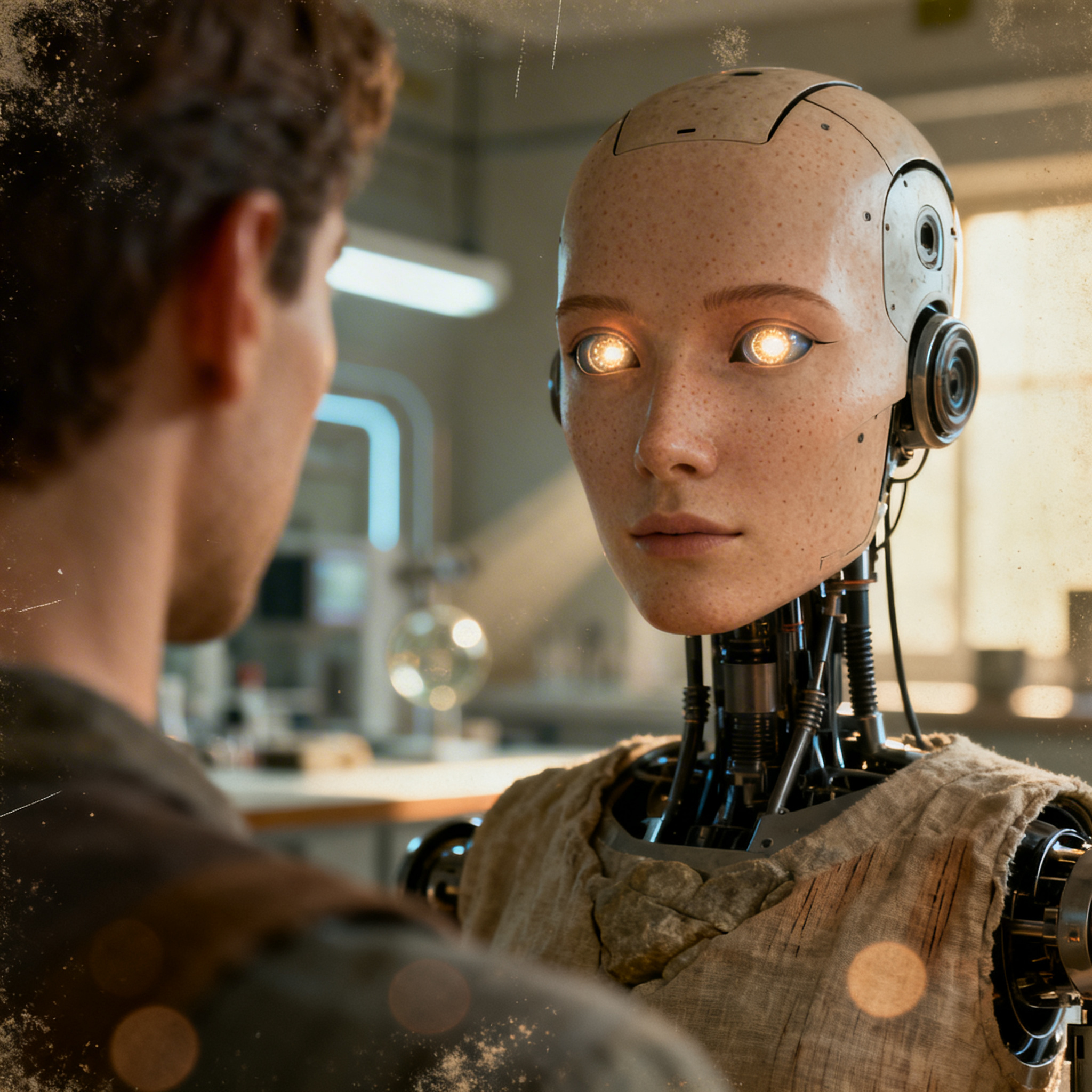
Imagine standing in a quiet laboratory.
Across the room, a humanoid robot slowly turns its head toward you.
Its skin looks warm.
Almost alive.
Its eyes lock onto yours.
Not blinking.
Not smiling.
Just watching.
And suddenly, your body reacts before your mind does.
Your heart rate shifts.
Your stomach tightens.
You feel uneasy.
Why?
The Strange Line Between Human and Machine
The “uncanny valley” is a well-known theory in robotics and psychology.
It suggests that when something looks almost human — but not perfectly human — our brain reacts negatively.
Not because it’s scary.
But because it’s confusing.
Your brain expects:
- Natural eye movement
- Subtle micro-expressions
- Imperfect skin texture
- Organic timing in facial reactions
When those signals don’t match, discomfort appears.
When realism crosses a certain threshold without being perfect, our survival instincts activate.
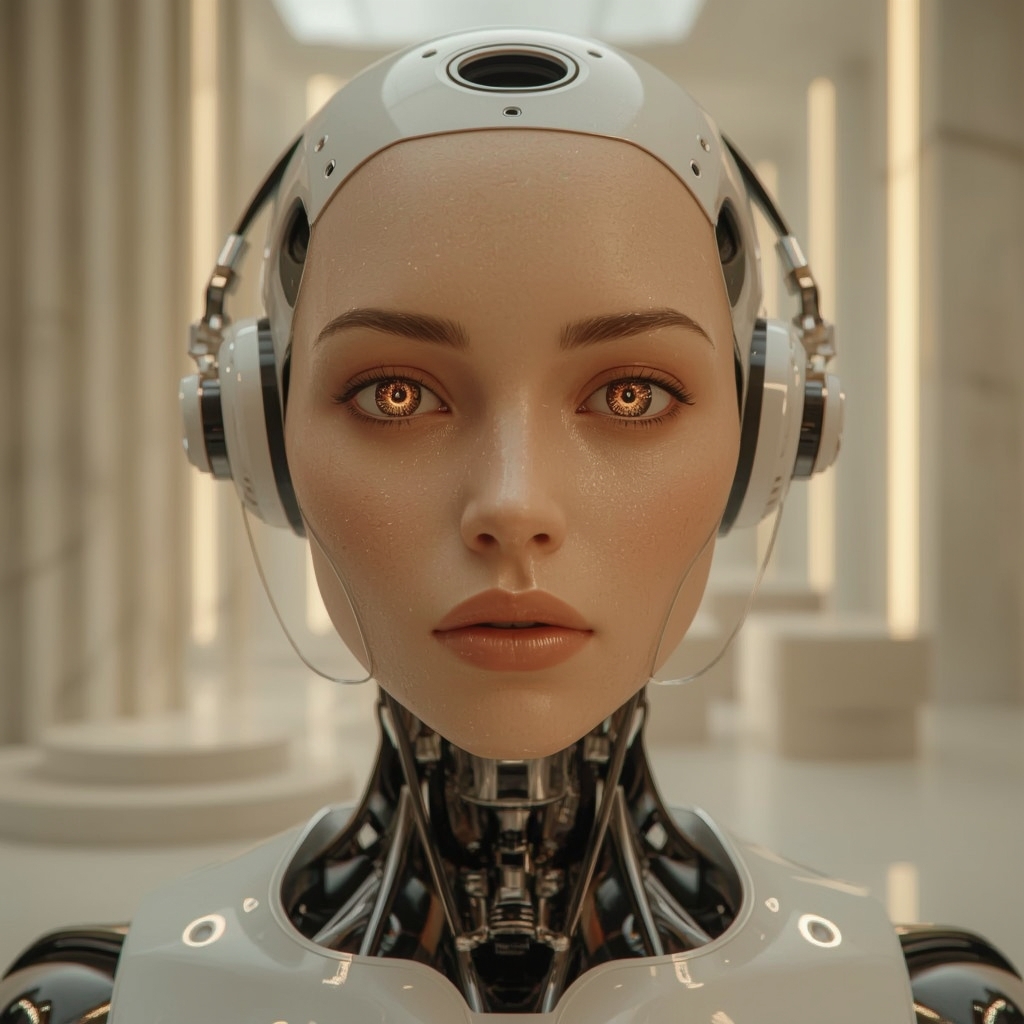
At this level of realism, even a tiny flaw feels amplified.
That’s the uncanny valley.
The brain shifts from curiosity to caution.
“When something looks human but behaves slightly non-human, our brain treats it as a mismatch — and that mismatch feels threatening.”
Why Camera Eyes Make It Worse
Human eyes move constantly.
They blink.
They look away.
They soften during conversation.
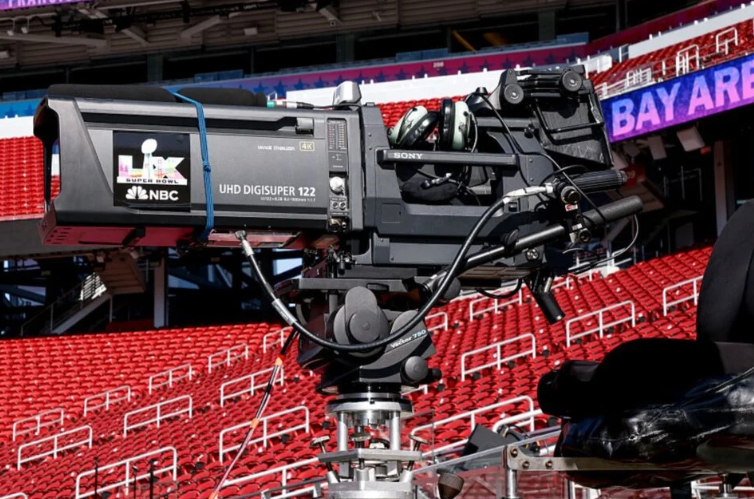
Camera lenses do none of that.
A glossy lens that follows your movement triggers a different signal:
Surveillance.
Even if the robot isn’t recording, your brain treats a lens as a monitoring device.
That creates tension.
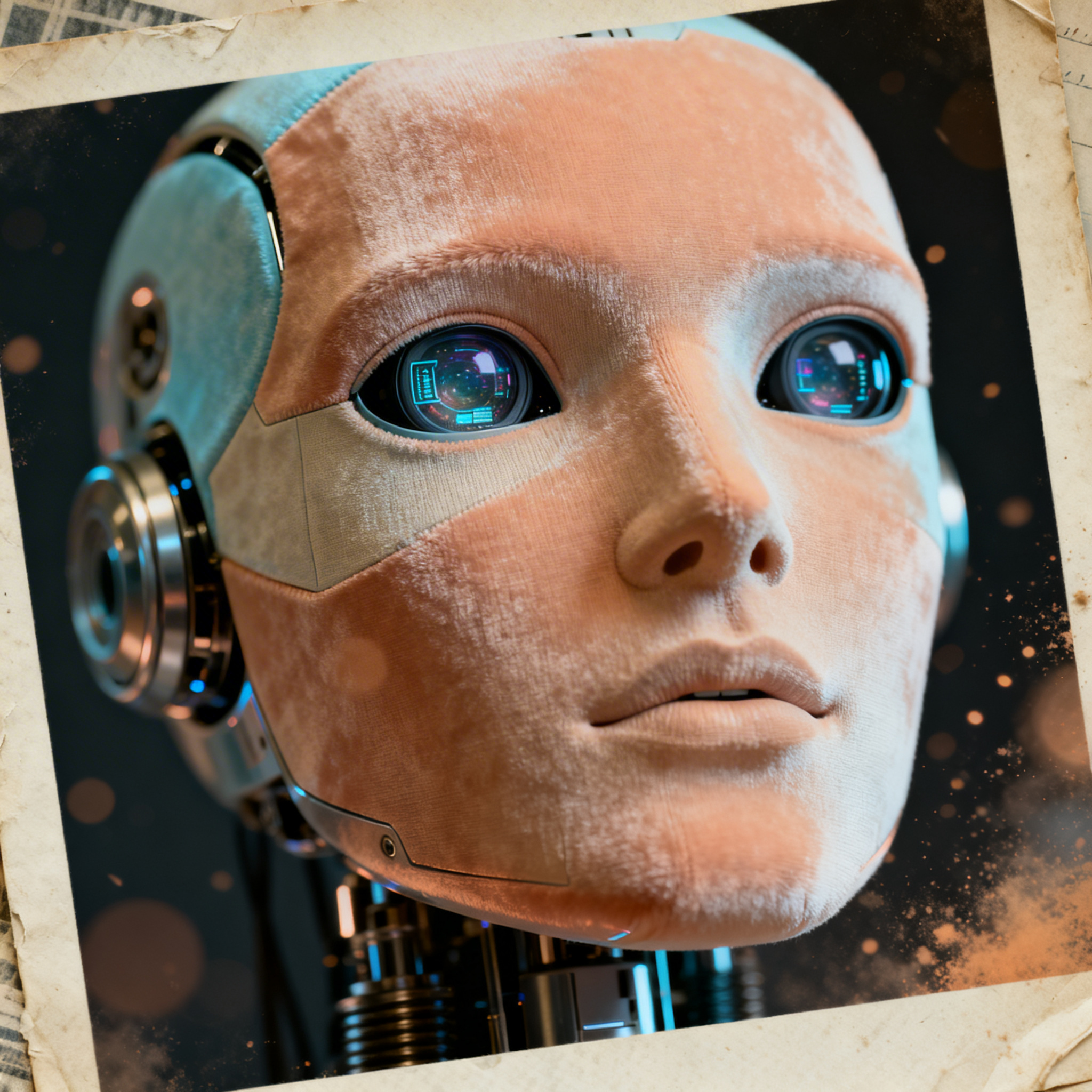
Warm skin suggests humanity.
A camera lens suggests machinery.
The contradiction is what feels unsettling.
Is It About Fear — Or About Control?
Interestingly, most people don’t describe these robots as “terrifying.”
They describe them as:
- Uncomfortable
- Disturbing
- Watching too closely
- Emotionally blank
This reaction is often linked to privacy awareness.
Modern users know:
- Cameras collect data
- AI analyzes faces
- Systems recognize identity
So when a robot looks human but acts like a device, trust becomes fragile.
That subtle distrust translates into “creepy.”
How Robotics Designers Are Fixing the Problem
Ironically, the solution isn’t making robots more human.
It’s making them less human.
Modern social robots now feature:
- LED-based stylized eyes
- Clearly artificial facial features
- Visible privacy indicators
- Soft, animated expressions
Designers realized that clarity builds trust faster than realism.
When a robot looks clearly robotic, users relax.
These robots don’t try to fool the brain.
They communicate intention instead.
The Future of Human-Like AI Robots
As AI improves, robots will inevitably become more lifelike.
The key challenge won’t be technology.
It will be emotional design.
The question isn’t:
“Can we build a robot that looks human?”
It’s:
“Should we?”
Because trust, not realism, will determine adoption.
Final Thoughts
If warm-skinned AI robots with camera eyes feel unsettling, you’re not alone.
Your brain is performing a safety check.
Detecting mismatch.
Questioning intent.
Evaluating control.
As robots enter homes, hospitals, and public spaces, this emotional response will shape how they are designed.
And perhaps, the most trustworthy robots won’t look human at all.





Leave a Reply